



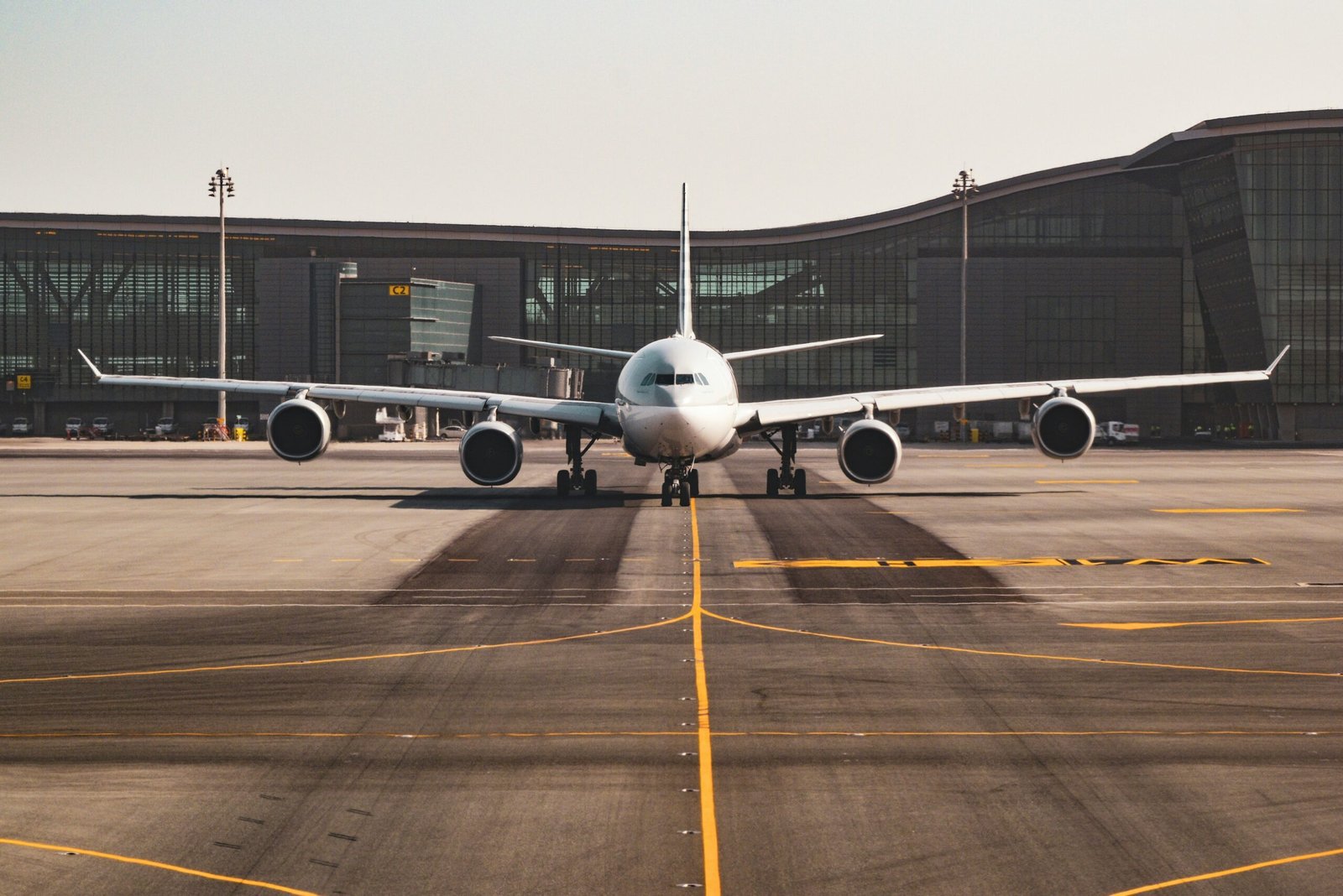
Air travel in 2025 is evolving rapidly, combining cutting-edge AI, robotics, and sustainable technologies to revolutionize passenger experience, safety, and efficiency. From electric aircraft to autonomous navigation, the aviation industry is embracing innovations that make flying safer, cleaner, and faster.
Whether you are a frequent traveler, aviation enthusiast, or industry professional, understanding airplane technology 2025 is essential to grasp the future of air travel.
Airplane Technology 2025: AI, Sustainable Flight, and Aviation Innovations
Explore Airplane Technology 2025 with AI-driven systems, sustainable flight, electric aircraft, and future aviation innovations. Discover how the skies are evolving for safer, greener, and smarter trave
AI and Automation in Aviation
Artificial Intelligence is transforming aviation operations, making flights safer and more efficient:
- Autonomous Piloting Systems: Advanced AI assists pilots in navigation, takeoff, landing, and real-time problem solving.
- Predictive Maintenance: AI predicts mechanical issues before they occur, reducing delays and increasing safety.
- Passenger Management: AI optimizes boarding, luggage handling, and inflight services for smoother travel experiences.
Electric and Hybrid Aircraft
Sustainable aviation is a major focus in 2025:
- Electric Planes: Short-haul flights are increasingly powered by electric engines, reducing emissions significantly.
- Hybrid Aircraft: Combines traditional fuel and electric power, providing efficiency for longer flights.
- Energy Efficiency: Lighter materials, aerodynamic designs, and improved propulsion systems enhance fuel savings.
These innovations help airlines reduce carbon footprints and comply with global sustainability goals.
Next-Gen Passenger Experience
Passenger experience is also evolving with technology in airplanes 2025:
- Smart Cabins: Adjustable lighting, air purification, and AI-driven temperature control improve comfort.
- Virtual Reality Entertainment: Passengers can enjoy immersive entertainment during long-haul flights.
- Personalized Services: AI analyzes passenger preferences to offer custom meals, seating, and in-flight services.
Safety and Navigation Technology
Safety remains the top priority in aviation:
- Autonomous Safety Systems: AI detects potential hazards, turbulence, or mechanical issues and alerts crew instantly.
- Advanced Radar and Sensors: Real-time monitoring of weather, aircraft performance, and air traffic ensures safer travel.
- Drone Integration: AI-powered drones assist in runway inspections, luggage transport, and emergency scenarios.
Aircraft Manufacturers and Innovations
Major aircraft manufacturers are adopting next-gen technology 2025:
Boeing
- AI-assisted flight systems
- Eco-friendly fuel technology
- Autonomous maintenance monitoring
Airbus
- Electric and hybrid aircraft
- Smart cabin technology
- AI-driven pilot assistance
Emerging Companies
- Startups focusing on urban air mobility and electric vertical take-off and landing (eVTOL) aircraft.
Future Trends in Aviation Technology
The aviation industry is moving toward:
- Fully autonomous flights for cargo and eventually passengers
- Zero-emission aircraft for long-haul flights
- AI-driven air traffic control systems
- Integration with space travel for near-Earth flights
Conclusion
Airplane technology in 2025 is at the forefront of innovation. AI, automation, electric propulsion, and sustainable flight technologies are shaping the future of aviation. Airlines and aircraft manufacturers are pushing boundaries to make flying safer, faster, and eco-friendly.
Passengers, pilots, and industry professionals benefit from enhanced safety, efficiency, and personalized experiences. As technology advances, the skies of 2025 promise smarter, cleaner, and more enjoyable travel for everyone.