



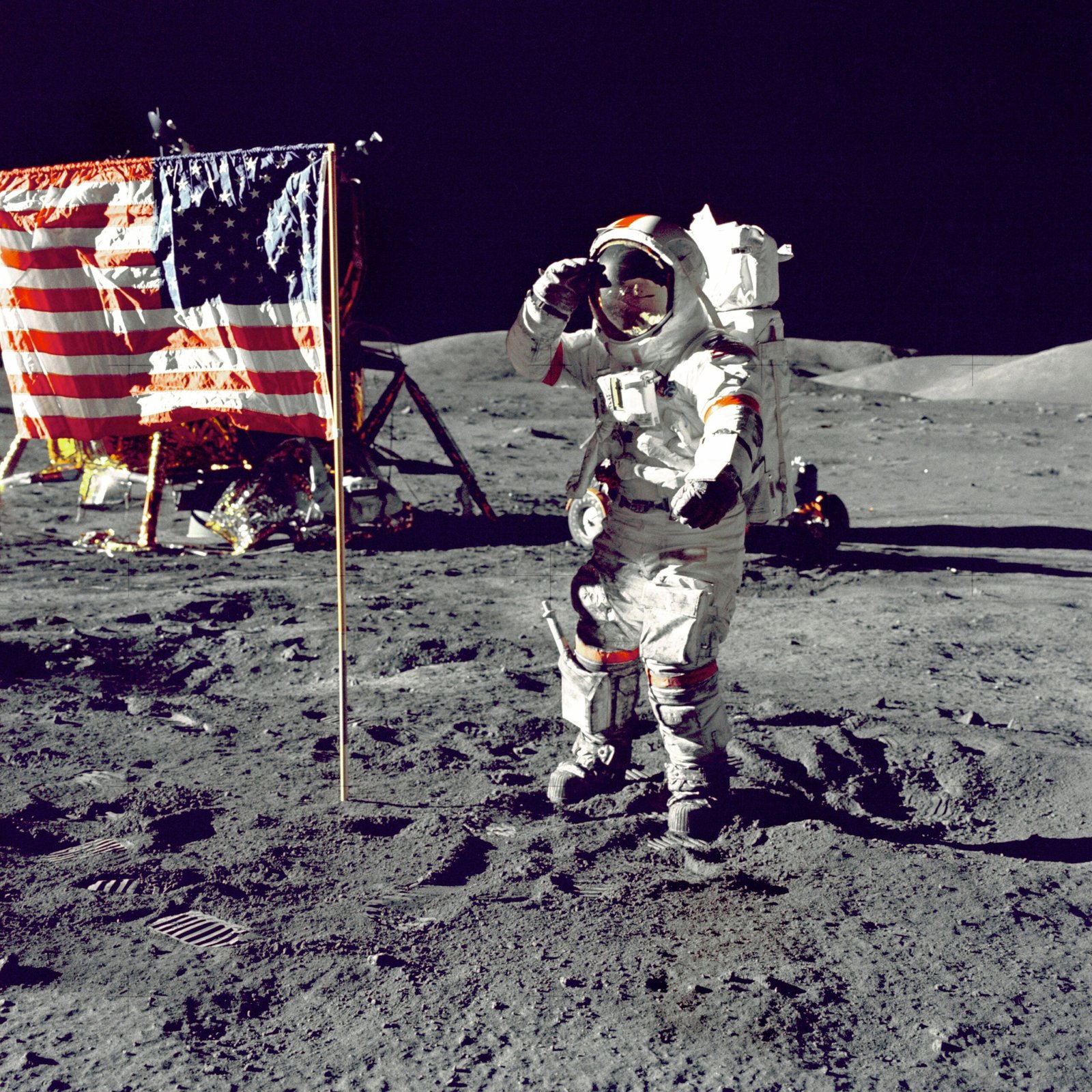
Space exploration in 2025 is entering an unprecedented era, as humanity pushes the boundaries of technology, robotics, and interplanetary travel. With ambitious plans from NASA 2025, SpaceX, and other international agencies, Mars and the Moon are becoming the central focus of scientific research, technological innovation, and future colonization. Understanding these developments is essential for enthusiasts, researchers, and anyone interested in the future of space travel.
NASA 2025: Mars and Moon Exploration, Space Technology, and Future of Space Travel
Explore NASA 2025 missions, Mars exploration, and Moon colonization. Discover cutting-edge space technology, AI, robotics, and future interplanetary travel trends. Stay updated on the latest space innovations and research breakthroughs.
NASA 2025: Pioneering the Future of Space Exploration
NASA continues to lead in space innovation, combining decades of experience with cutting-edge technology. In 2025, NASA’s primary missions focus on Mars exploration, Moon colonization, and advancing space technology for sustainable human presence beyond Earth.
Key initiatives include:
- Artemis Program: Returning humans to the Moon and establishing lunar bases to support long-term research.
- Mars Missions: Robotic and eventually crewed missions aim to explore Martian terrain, test life-support systems, and study potential habitability.
- Advanced Space Technology: AI-powered rovers, autonomous spacecraft, and enhanced propulsion systems ensure efficient and safe interplanetary travel.
NASA 2025 emphasizes international collaboration, with partnerships involving ESA (European Space Agency), JAXA (Japan), and private companies like SpaceX to achieve ambitious space goals.
Mars Exploration: Humanity’s Next Frontier
Mars represents the most promising destination for human colonization, and 2025 marks a pivotal year for Martian research.
Robotic Missions and Rovers
Robotic rovers continue to explore the Martian surface, analyzing soil, searching for water, and detecting signs of past life. These missions provide crucial data to plan future human settlement.
Preparing for Human Colonies
Advanced life-support systems, habitat modules, and 3D-printed structures are being tested on Earth to simulate Martian conditions. By 2025, NASA and SpaceX aim to conduct preliminary human missions that lay the groundwork for sustainable colonies.
Technology in Mars Exploration
- AI & Robotics: Autonomous rovers and drones handle hazardous tasks, data collection, and construction preparation.
- Energy Solutions: Solar panels and nuclear-powered systems ensure reliable energy in extreme Martian conditions.
- Communication: Satellite relays enable efficient communication between Earth and Mars, supporting real-time decision-making.
Moon Missions: Gateway to the Solar System
The Moon is no longer just a historical landmark—it’s a stepping stone for interplanetary exploration. NASA 2025 is reviving lunar missions with objectives including:
- Lunar Bases: Sustainable habitats for research and future Mars mission preparation.
- Mining Resources: Identifying and extracting water ice and minerals to support astronauts and fuel production.
- Technology Testing: The Moon serves as a testing ground for life-support systems, robotics, and autonomous spacecraft.
The Artemis Program is central to NASA’s lunar plans, integrating advanced technologies and international cooperation to ensure safe and efficient lunar missions.
Space Technology 2025: Driving Interplanetary Innovation
Space exploration depends heavily on cutting-edge technology. Key areas of advancement include:
- Propulsion Systems: Ion thrusters, nuclear propulsion, and reusable rockets reduce travel time and cost.
- AI & Machine Learning: AI manages spacecraft navigation, autonomous rovers, and data analysis.
- Life Support Systems: Advanced oxygen generation, water recycling, and habitat management ensure human survival in harsh conditions.
- Communication Networks: High-speed satellite networks enable real-time collaboration across planets.
These technological innovations not only facilitate Mars and Moon missions but also accelerate future commercial space travel and space tourism.
SpaceX vs NASA: Collaboration and Competition
While NASA focuses on scientific exploration and research, private companies like SpaceX push the boundaries of innovation and commercial space travel. Collaboration between NASA and SpaceX is crucial to achieve:
- Faster Mars colonization
- Cost-effective rocket launches
- Sustainable energy solutions for space missions
Competition also drives innovation, encouraging both organizations to develop safer, more efficient, and advanced space technologies.
Challenges in Space Exploration
Despite remarkable progress, space exploration faces significant challenges:
- Harsh Environments: Extreme temperatures, radiation, and low gravity present health risks.
- Long-Distance Travel: Communication delays and logistical constraints complicate missions.
- Resource Management: Ensuring water, food, and energy sustainability on Mars and the Moon.
- Technological Limitations: Spacecraft, habitats, and AI systems must perform flawlessly under extreme conditions.
Addressing these challenges is essential to ensure the success of NASA 2025 missions and future colonization efforts.
Future of Colonization: Mars and Beyond
Human settlement on Mars and the Moon is gradually becoming feasible. Key considerations for 2025 and beyond include:
- Sustainable Habitats: Structures capable of withstanding extreme temperatures and radiation.
- Energy Independence: Solar and nuclear power systems for long-term survival.
- Resource Utilization: Mining local materials for construction, life support, and fuel.
- International Collaboration: Partnerships across nations to share expertise, resources, and risks.
By leveraging technology, AI, and robotics, humans are moving closer to establishing permanent settlements on other celestial bodies.
Impacts on Science and Society
Space exploration in 2025 will have profound effects on science, technology, and society:
- Scientific Discovery: Understanding Mars’ geology and potential for life expands our knowledge of the solar system.
- Technological Innovation: Space challenges drive innovations that improve life on Earth.
- Global Collaboration: International missions foster cooperation, peace, and shared goals.
- Inspiration and Education: Space exploration inspires new generations of scientists, engineers, and explorers.
Conclusion
The future of space travel in 2025 is bright, driven by NASA, SpaceX, and global technological advancements. Mars and the Moon are no longer distant dreams—they are tangible destinations for scientific research, human exploration, and eventual colonization.
By embracing AI, robotics, and innovative propulsion systems, humanity is preparing for a future where interplanetary travel becomes part of everyday exploration. NASA 2025 missions, along with private space endeavors, are paving the way for sustainable, efficient, and groundbreaking exploration of the solar system.
This era of space exploration promises to reshape our understanding of the universe and humanity’s place within it.