Space Tourism 2025: AI, Rockets, and the Future of Commercial Space Travel
Explore Space Tourism 2025 with AI-powered spacecraft, commercial space travel, and private companies like SpaceX, Blue Origin, and Virgin Galactic. Discover the future of interplanetary adventure.
Space tourism
Space tourism is rapidly evolving into a reality in 2025, transforming the way humans perceive travel and exploration. With major advancements from private companies like SpaceX, Blue Origin, and Virgin Galactic, and the integration of AI and robotics, commercial space travel is becoming safer, more accessible, and more thrilling than ever before. Understanding the trends, technology, and future prospects of space tourism is essential for enthusiasts, investors, and adventurers alike.
Rise of Commercial Space Travel
The early 2020s marked the beginning of commercial space tourism. By 2025, companies are pushing the boundaries further:
- SpaceX: Offering orbital flights and Starship missions designed for civilian passengers.
- Blue Origin: Suborbital tourism with the New Shepard rocket, providing short but exhilarating space experiences.
- Virgin Galactic: Focused on suborbital flights and expanding its offerings to reach more clients.
Commercial space travel is not just a novelty—it is driving technological advancements, making AI-powered systems, autonomous safety protocols, and reusable rockets more sophisticated and reliable.
Role of AI and Robotics in Space Tourism
Artificial Intelligence (AI) and robotics are central to the evolution of space tourism 2025:
- Flight Automation: AI manages navigation, trajectory calculations, and emergency protocols.
- Safety Monitoring: Robotics and AI continuously monitor spacecraft systems and passengers’ health.
- Customer Experience: AI-enhanced training programs simulate space conditions and prepare tourists for weightlessness, launch, and landing.
These technologies ensure that space travel becomes safer, more efficient, and scalable for commercial purposes.
Training and Preparation for Tourists
Space tourists require specialized training to withstand zero-gravity conditions and space travel stress.
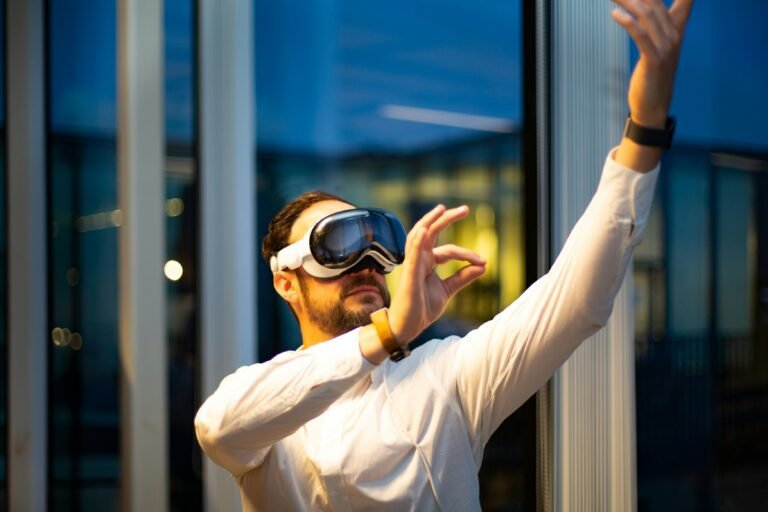
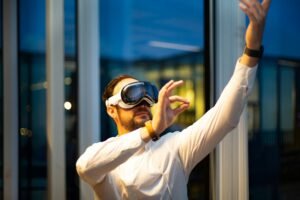
- Simulated Training: VR/AR simulations prepare passengers for the journey.
- Physical Conditioning: Exercise routines and medical screenings are essential to ensure fitness.
- Safety Protocols: Passengers are trained in emergency procedures and equipment usage.
By 2025, AI-based training modules streamline preparation, allowing tourists to safely embark on their journeys with minimal risks.
Space Tourism Destinations and Experiences
In 2025, space tourism includes diverse destinations:
- Suborbital Flights: Short trips to the edge of space, offering breathtaking views of Earth.
- Orbital Tours: Longer flights circling Earth, providing extended zero-gravity experiences.
- Lunar Flybys: Private missions approaching the Moon, with future plans for orbital stays.
- Mars Tourism (Future): Initial conceptual plans for tourist missions to Mars are underway, setting the stage for the next frontier.
Private companies compete to provide the most thrilling, comfortable, and safe experiences, constantly innovating in spacecraft design, onboard amenities, and travel efficiency.
Private Space Companies Leading the Revolution
Several companies are shaping the future of space tourism in 2025:
SpaceX
- Focus: Orbital and lunar flights, Starship development.
- Technologies: AI navigation, reusable rockets, sustainable fuel systems.
- Impact: Making space travel scalable and cost-effective.
Blue Origin
- Focus: Suborbital flights for civilians.
- Technologies: Automated safety systems, smooth rocket landing technology.
- Impact: Democratizing access to space tourism experiences.
Virgin Galactic
- Focus: Suborbital experiences with luxury and comfort.
- Technologies: Hybrid rocket engines, advanced flight simulations.
- Impact: Popularizing space tourism and creating a niche market.
Economic and Social Impacts
The rise of commercial space tourism impacts both the economy and society:
- Job Creation: Opportunities in engineering, AI, aerospace, and tourism management.
- Global Interest in STEM: Inspires students and professionals to pursue space and technology careers.
- Space Economy: New markets for travel, luxury experiences, and space-based services emerge.
- Cultural Influence: Space tourism becomes a symbol of human achievement and adventure.
Challenges Facing Space Tourism
Despite its promise, space tourism 2025 faces key challenges:
- High Costs: Ticket prices remain prohibitive for most people.
- Safety Concerns: Ensuring passenger health and spacecraft reliability is critical.
- Environmental Impact: Rocket emissions and space debris need sustainable solutions.
- Regulatory Hurdles: Governments are establishing safety and licensing frameworks for commercial space travel.
Addressing these challenges is vital for the long-term viability and expansion of the space tourism industry.
Future Prospects and Innovations
The next decade promises exciting developments:
- AI-Enhanced Spacecraft: Fully autonomous missions for safety and efficiency.
- Luxury Orbital Hotels: Space stations equipped for extended civilian stays.
- Interplanetary Travel: Early Mars tourist missions may begin by the 2030s.
- Sustainable Space Travel: Green fuels, reusable rockets, and low-impact technologies.
By 2025, space tourism is laying the foundation for humanity’s permanent presence in space, combining adventure, technology, and commercial opportunity.
Conclusion
Space Tourism 2025 is no longer a distant dream—it is a reality shaped by AI, robotics, and private space companies. From suborbital flights to orbital tours, and plans for lunar and Martian experiences, space tourism is revolutionizing human travel beyond Earth.
With continuous innovation, international collaboration, and private enterprise, commercial space travel is set to become more accessible, thrilling, and sustainable. By following trends in space technology 2025, enthusiasts and investors can anticipate the next big breakthroughs in interplanetary tourism and space exploration.