



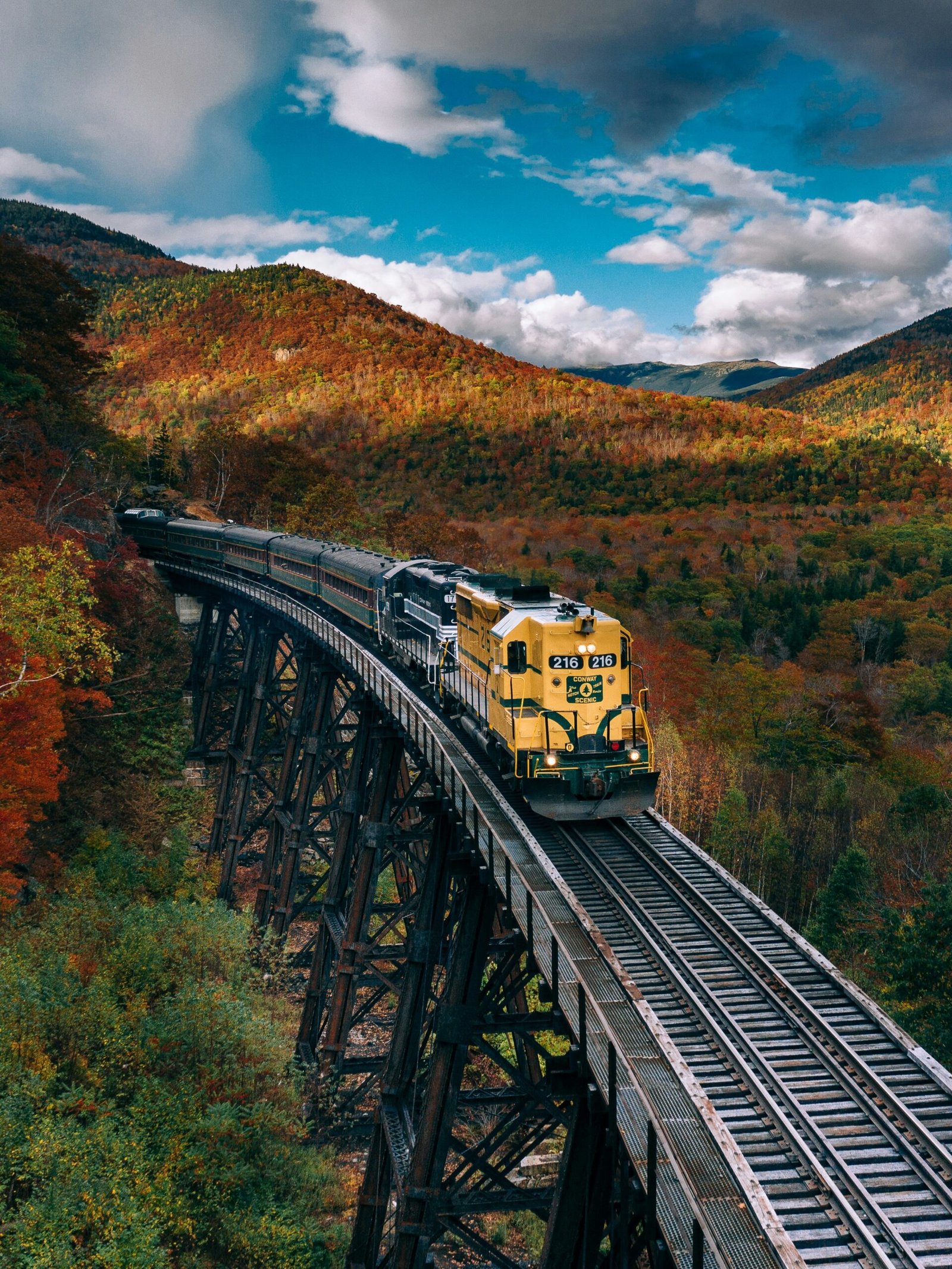
Rail travel in 2025 is evolving rapidly, combining high-speed trains, AI-driven systems, and sustainable technologies to redefine passenger experience, efficiency, and environmental responsibility. From advanced electric engines to smart cabins and predictive maintenance, the railway industry is embracing innovations that make travel faster, safer, and eco-friendly.
Whether you are a commuter, train enthusiast, or industry professional, understanding train technology 2025 is essential for staying ahead in the transportation sector.
High-Speed Train Technology 2025: AI, Maglev, and Sustainable Rail
Explore High-Speed Train Technology 2025 with AI, Maglev trains, hyperloop systems, and sustainable rail innovations. Discover the future of fast, eco-friendly travel.
High-Speed Rail: Faster Than Ever
High-speed trains are at the forefront of railway innovation:
- Maglev Trains: Using magnetic levitation, trains achieve speeds exceeding 600 km/h with minimal friction.
- Hyperloop Systems: Vacuum tubes reduce air resistance, enabling ultra-fast intercity travel.
- Advanced Electric Trains: Energy-efficient engines and lightweight materials improve speed and sustainability.
High-speed rail is not just about speed; it enhances connectivity between cities and reduces reliance on air travel, cutting carbon emissions significantly.
Smart Train Systems: AI and IoT Integration
The rail industry in 2025 is leveraging AI and IoT for smarter, safer, and more efficient operations:
- Predictive Maintenance: AI monitors train components to prevent failures before they occur.
- Dynamic Scheduling: AI optimizes train frequency, reducing congestion and delays.
- IoT Connectivity: Sensors track track conditions, passenger loads, and engine performance in real time.
By integrating smart systems, trains operate more reliably while improving the overall travel experience.
Sustainable and Green Travel
Sustainability is a key focus in train technology 2025:
- Electric and Hybrid Engines: Reduce greenhouse gas emissions compared to diesel engines.
- Energy Recovery Systems: Regenerative braking captures energy, powering onboard systems.
- Eco-Friendly Materials: Lightweight, recyclable materials reduce environmental impact.
Rail travel is becoming one of the most eco-conscious transport options, combining speed with environmental responsibility.
Passenger Experience: Smart Cabins and Digital Solutions
The passenger journey is transforming with technology-driven enhancements:
- Smart Cabins: AI controls lighting, temperature, and seat adjustments for comfort.
- Digital Ticketing: Mobile apps, e-tickets, and contactless check-ins simplify travel.
- Entertainment Systems: Wi-Fi, AR/VR experiences, and immersive media onboard.
Passengers enjoy convenience, safety, and personalized experiences, making train travel competitive with air travel for short and medium distances.
Global Innovations and Comparisons
Leading countries are setting benchmarks for train technology:
Japan
- Shinkansen bullet trains with advanced safety systems
- Smart stations and predictive maintenance
Europe
- High-speed rail networks in France, Germany, and Spain
- Maglev and eco-friendly trains connecting major cities
China
- Extensive high-speed rail network with AI-driven scheduling
- Energy-efficient electric trains reducing travel time and emissions
Challenges and Future Prospects
Despite advancements, train technology faces challenges:
- Infrastructure Costs: Building high-speed tracks requires significant investment.
- Technological Integration: Upgrading legacy systems to smart systems is complex.
- Safety and Security: AI and IoT must be robust against cyber threats.
Future prospects include fully autonomous trains, hyperloop expansion, AI-driven traffic control, and green energy integration across global networks.
Conclusion
Train technology in 2025 represents a fusion of high-speed rail, AI, IoT, and sustainable travel solutions. Passengers, operators, and cities benefit from faster, safer, and eco-friendly travel options.
By adopting smart systems, green engines, and advanced materials, the railway industry is not only improving efficiency but also shaping a sustainable future.
Whether commuting daily or traveling across continents, train technology 2025 ensures speed, comfort, and environmental responsibility—making railways an integral part of the future of transportation.